
Front and rear bumpers
Bumper Repair & Replacement in Rockwall With the Absorbers Restored
The plastic cover is the styling. The foam, beam and brackets behind it absorb low-speed hits, and the sensors read the road. We restore all of it.
(000) 000-0000 for a technician's view on the bumper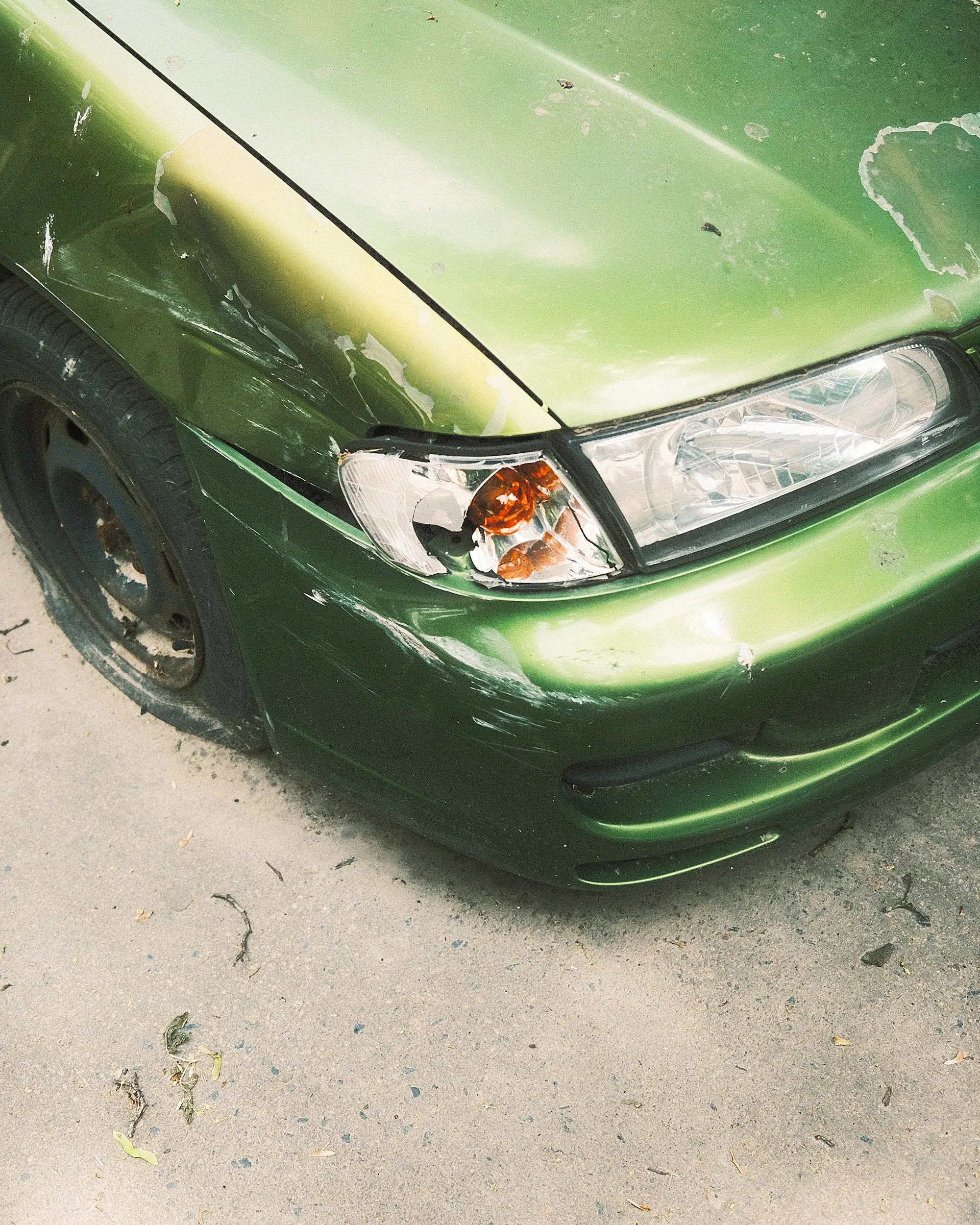
What the Plastic Cover Is Hiding
Behind the painted cover sits a foam or plastic absorber, a steel or aluminum beam and a pair of crush cans that tie it to the rails. Together they're designed to soak up low-speed impacts and shield the structure from small hits. Many bumpers also carry parking sensors, blind-spot radar and the main radar for adaptive cruise and automatic braking. A cover can flex back after a tap in a lot along FM 552 and look almost fine while the absorber behind it is crushed. That's why every bumper job at our Rockwall shop starts with the cover off. Once we see what's underneath, we can explain whether repair or replacement makes sense, part by part.
Layers of a Bumper Job
Here is what we look at and restore so the bumper protects, senses and fits the way it did new.
Cover removed for a real look
We take the cover off every time, since crushed foam and cracked tabs are invisible from the outside.
Foam and plastic absorbers
Absorbers that compressed in the hit are replaced, because they're designed to crush once and won't recover their shape.
Reinforcement beam and crush cans
The beam is checked for bends and the cans for collapse. Damaged ones are renewed so the next impact has a complete load path.
Cover repair by plastic welding
Tears and splits are welded from behind with matching plastic, then reinforced and refinished when repair is the right call.
Mounting tabs and slide brackets
Broken tabs are rebuilt or brackets replaced so the cover sits tight and doesn't sag or rattle at speed.
Radar and parking sensors refitted
Sensors are removed before repair, inspected and reinstalled in brackets that hold them at the correct angle.
Driver-assist calibration after fit
Front radar and cameras are aimed once the bumper is mounted, so adaptive cruise and automatic braking respond correctly.
Color that flexes with the cover
Flex additives and the right adhesion promoter help the paint stay bonded when the plastic bends.
Bumper Repair in Three Moves
- Step 1
Remove and inspect
The cover comes off, and the absorber, beam, cans and sensor brackets get inspected. We photograph anything damaged for you and the insurer. Then we explain which parts can be repaired and which need replacing, along with the reasons.
- Step 2
Restore the hidden parts first
Crushed absorbers and bent beams are replaced, mounts are rebuilt and the cover is repaired or a new one is prepared. Sensors are tested on the bench or in place as the procedure calls for. Nothing goes back together until the energy-absorbing parts are sound.
- Step 3
Paint, mount and aim
The cover is refinished to match, then mounted with even gaps to the fenders and lamps. Driver-assist sensors are calibrated and a scan confirms the systems are clear. A short road test finishes the job.
What You Get Beyond a Fresh Cover
Spent parts get replaced, not hidden
A crushed absorber can't protect you twice. We swap it rather than tuck it behind fresh paint.
Assist systems that see clearly
Radar and parking sensors are mounted and aimed correctly, so the car's driver-assist features respond the way they should.
Plastic repaired when it can carry the load
A cracked cover can often be welded and reinforced well. When a cover or bracket is past saving, we'll show you why.
Low-Speed Hit, Uncertain Damage?
Even a gentle tap can crush the parts behind the cover or nudge a sensor out of aim. Describe what happened and we'll explain what a proper check involves.
Talk through the bumper damage at (000) 000-0000