
Repair for the next drive
Collision Repair in Rockwall Built Around Your Safety Systems
A car that looks fixed and a car that will protect you again are two different results. We aim for the second one, and the first comes along with it.
Walk a technician through the crash at (000) 000-0000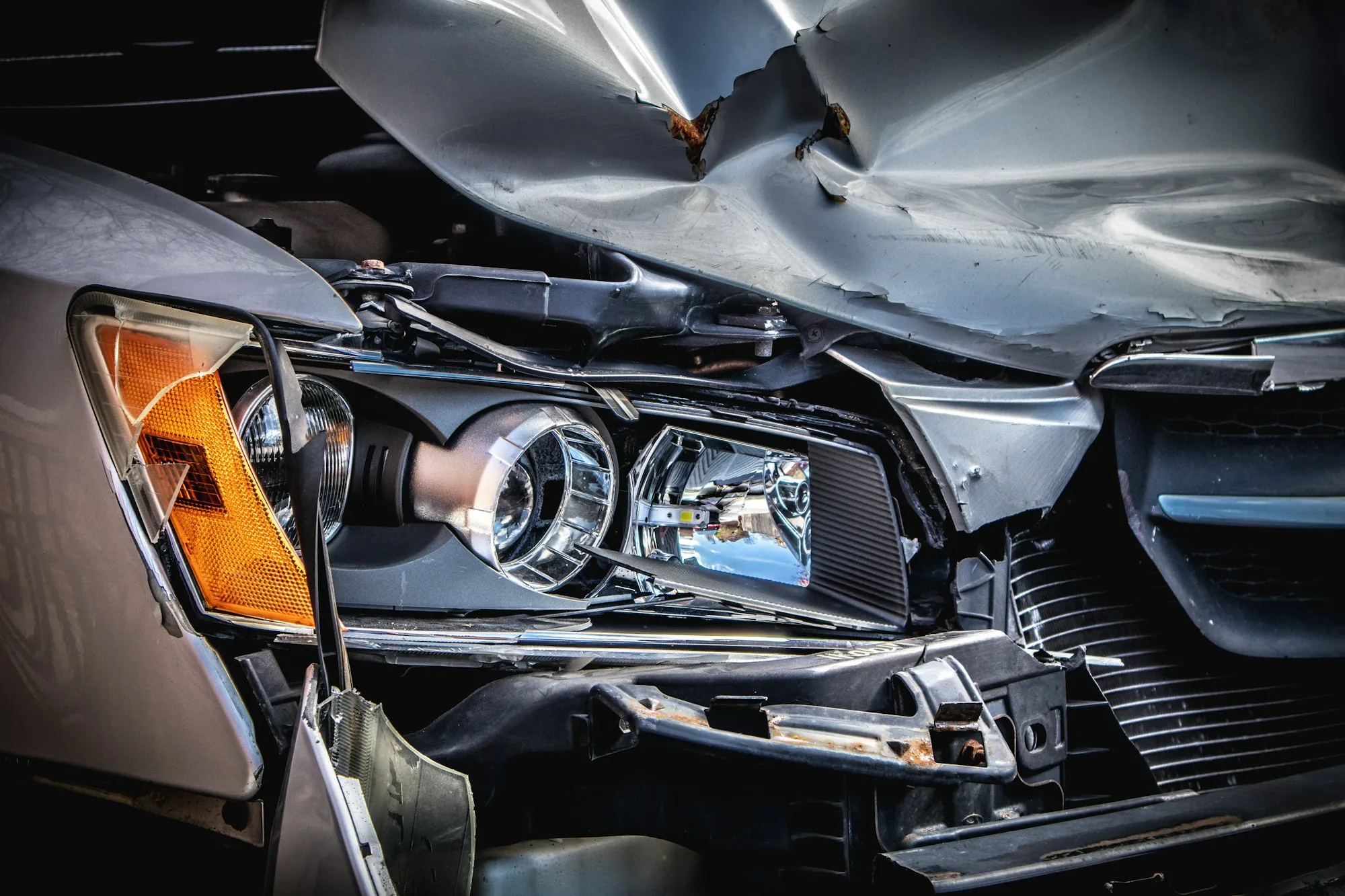
A Crash Repair Is Really a Safety Repair
Your car was engineered to manage a crash in a very specific order. The bumper beam and crush cans take the first hit, the rails fold in a planned pattern, and the airbags and belt pretensioners fire based on what the sensors read in those first milliseconds. A collision can use up part of that system, even when the outside only shows a cracked cover and a bent hood. Our job at this Rockwall shop is to find every part that did its work and put each one back to the maker's spec, from the structure underneath to the restraint parts in the cabin and the cameras and radar out front. Whether the hit came in slow traffic on I-30 or in a lot off FM 740, we start by tracing where the energy went. Body and paint come last, built on a structure we've measured.
Every System the Crash Touched
A collision rarely stays in one spot. These are the parts we check and restore so the car can manage the next impact the way it was designed to.
Energy path traced from the impact point
We follow the force from where it landed back through the bumper, rails and mounts, because damage tends to travel farther than it looks.
Crush cans and bumper beams renewed
These parts are designed to collapse once. If they folded, we replace them rather than straighten them, so they can absorb a future hit.
Rails and pillars read against the chart
The structure is measured against the maker's dimension data so we know whether anything shifted before panels go back on.
Airbag and belt parts after deployment
Deployed bags, used pretensioners and crash-triggered sensors are replaced to procedure so the restraints are ready to fire again.
Driver-assist sensors put back on target
Radar behind the grille and the camera at the windshield are reaimed once the body is straight, so the car reads the road correctly.
Radiator support and cooling stack
A front hit often pushes the support and condenser back. We repair or renew them so the engine bay holds its shape and its temperature.
Panels and paint over a sound structure
Doors, fenders and hoods are fitted to the corrected structure first, then refinished so the color and gaps match the rest of the car.
Scan reports at both ends of the job
A diagnostic scan at check-in and another at the end confirm that every safety module is talking and clear of crash codes.
Sequence of a Safe Repair
- Step 1
Trace the damage
We photograph the car, run a scan and remove the damaged parts so we can see the hidden structure. Every bracket, absorber and sensor in the impact zone gets a verdict: reuse, repair or replace. You get a written plan that spells out what each item is and why it matters. If there's a claim, the adjuster sees the same evidence.
- Step 2
Rebuild the structure and restraints
The car goes on a bench and gets measured, and any shifted sections are corrected or replaced by procedure. Single-use crash parts are renewed, and restraint components are installed to the maker's torque and routing specs. We re-measure before moving on so nothing gets covered up while it's still out of spec.
- Step 3
Finish, calibrate and verify
Panels are hung, gaps are set and paint goes on in the booth. Then the driver-assist sensors are aimed, a closing scan is run and the car is road tested. At pickup we walk you through what was replaced and show you the reports.
Why Rockwall Drivers Trust the Way We Work
We fix what protects you first
A pretty panel sitting on a weak rail is the wrong order of work. Structure and restraints are settled before any cosmetic work starts.
Single-use parts stay single-use
Parts built to crush once get replaced, not hammered flat. That keeps the energy management the engineers designed into your car.
You see the evidence
Measurements, scans and photos are yours to review. If something was in spec and didn't need work, we'll tell you that too.
Questions After a Crash?
Tell us what happened and where the car is now, and a technician will explain what the repair likely involves. A calm plan beats guessing about what the impact reached.
Start the conversation at (000) 000-0000