
Scratches and chips
Paint Scratch Repair in Rockwall Matched to How Deep the Mark Runs
A scratch is a small breach in a protective system. We measure how far it goes, then use the smallest repair that seals it properly.
Have a technician size up the scratch at (000) 000-0000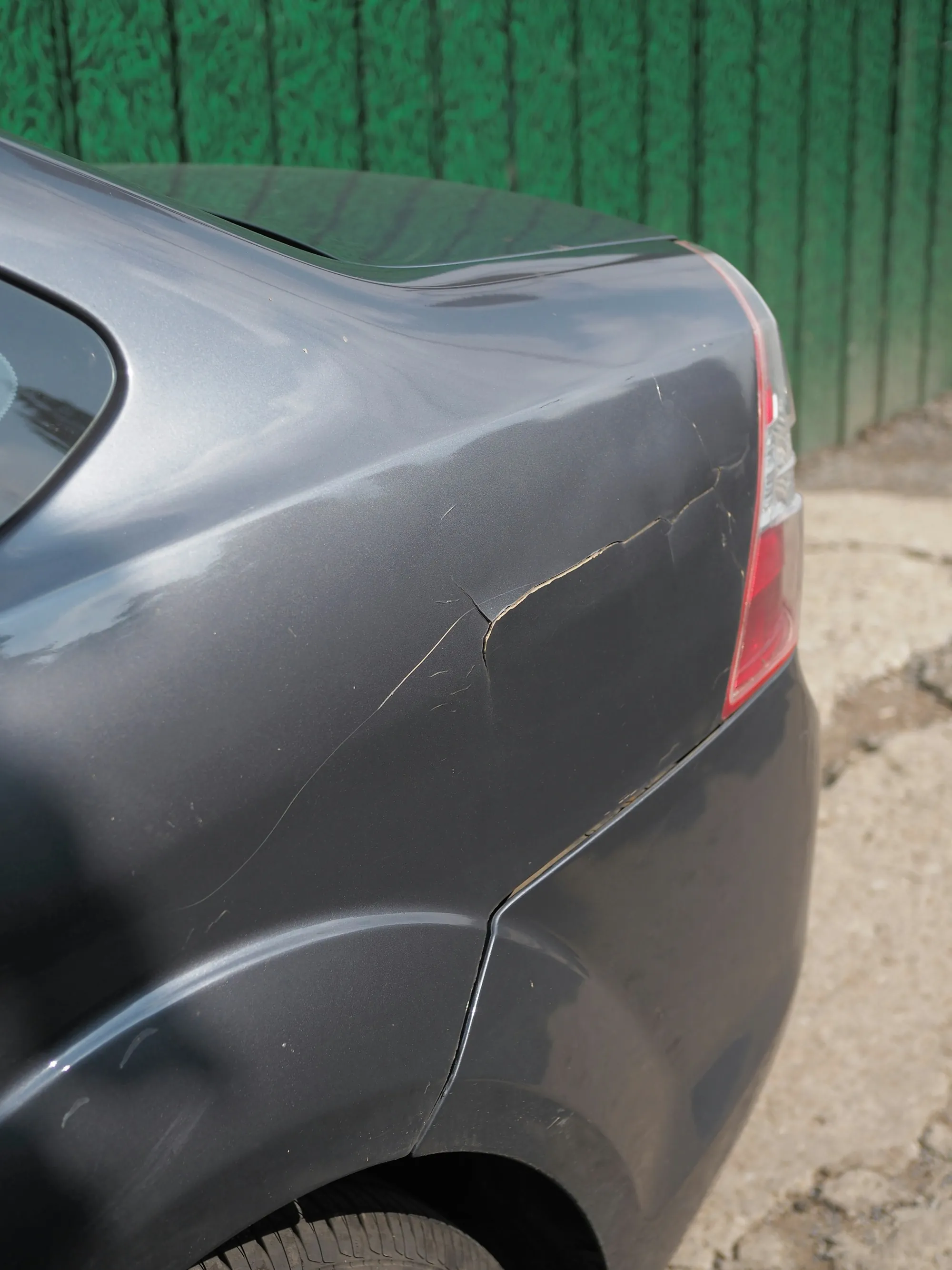
Think of Paint as a Seal
Your paint is several thin layers, each with a job, and the clear coat on top is the one that takes most scratches. If a mark stays in the clear, it can usually be leveled and polished away without new paint. Once it reaches the color, primer or bare metal, polishing alone won't close it, and moisture can start working under the edges. Left long enough, that becomes rust, which slowly thins the panel. We measure paint depth before choosing a repair, so we never polish through more clear than we need. Rock chips from gravel trucks on I-30 and key marks from a crowded lot off John King Boulevard get the same careful first step here in Rockwall.
Tools for Every Depth of Mark
Scratch repair spans a wide range. These are the methods we draw on, depending on what the gauge and the light tell us.
Paint depth read with a gauge
We measure the film around the mark so we know how much clear is available before anything is sanded or polished.
Surface decontaminated
A thorough wash and clay treatment remove grit that would otherwise drag across the paint during correction.
Clear-coat marks leveled out
Light scratches are refined with fine abrasives and machine polishing until the reflection runs clean.
Chips filled in thin layers
Stone chips are built up with matched paint in small layers, then leveled so they sit flush with the surface.
Deep marks spot refinished
When a scratch reaches primer or metal, we sand, prime and refinish a small area, then blend it outward.
Exposed steel protected
Any bare metal gets primer before color so rust can't start under the repair.
Bumper corner sensors checked
Scuffs on bumper corners often sit over parking or blind-spot sensors, so we confirm those still read correctly.
Shine matched to the surrounding finish
We compare gloss and texture with the neighboring panel so the repaired spot doesn't look flatter or shinier.
Three Passes at a Scratch
- Step 1
Gauge and choose
We clean the area, look at it under strong light and read paint thickness. The depth decides whether polishing will do or a refinish is needed. You hear the options and why we'd pick one over another.
- Step 2
Level it or rebuild it
Shallow marks are leveled and polished in stages. Deeper ones are sanded, sealed with primer and refinished in a small blended area. If a sensor sits under the scratch, we note it and handle the area accordingly.
- Step 3
Finish and compare
The surface is polished to match the factory texture. We check gloss beside the next panel and look at it from several angles. Any sensor near the work gets a quick function test before you leave.
Why a Small Mark Gets a Careful Plan
Your factory clear stays as thick as possible
Removing as little clear as we can keeps your original protection intact. A refinish is used only when the scratch truly requires it.
Rust is a slow structural problem
A sealed scratch stays cosmetic. An open one can thin the metal over the years, which is why we close every breach.
Sensors aren't an afterthought
A scuff near a bumper sensor can affect what it reads. We check rather than assume.
Scratch Reaching Down to the Primer?
Tell us where the scratch is and whether it catches your fingernail, and we'll explain what it probably needs. Sealing it sooner keeps the repair small.
Get a technician's read on the scratch at (000) 000-0000