
Work vehicles
Fleet & Commercial Vehicle Repair in Rockwall, Built for Driver Safety
Your drivers spend their days in these vehicles. We repair vans and pickups so the structure, airbags and driver-assist systems protect them as designed, and we plan the work around your schedule.
(000) 000-0000 — plan repairs for a work vehicle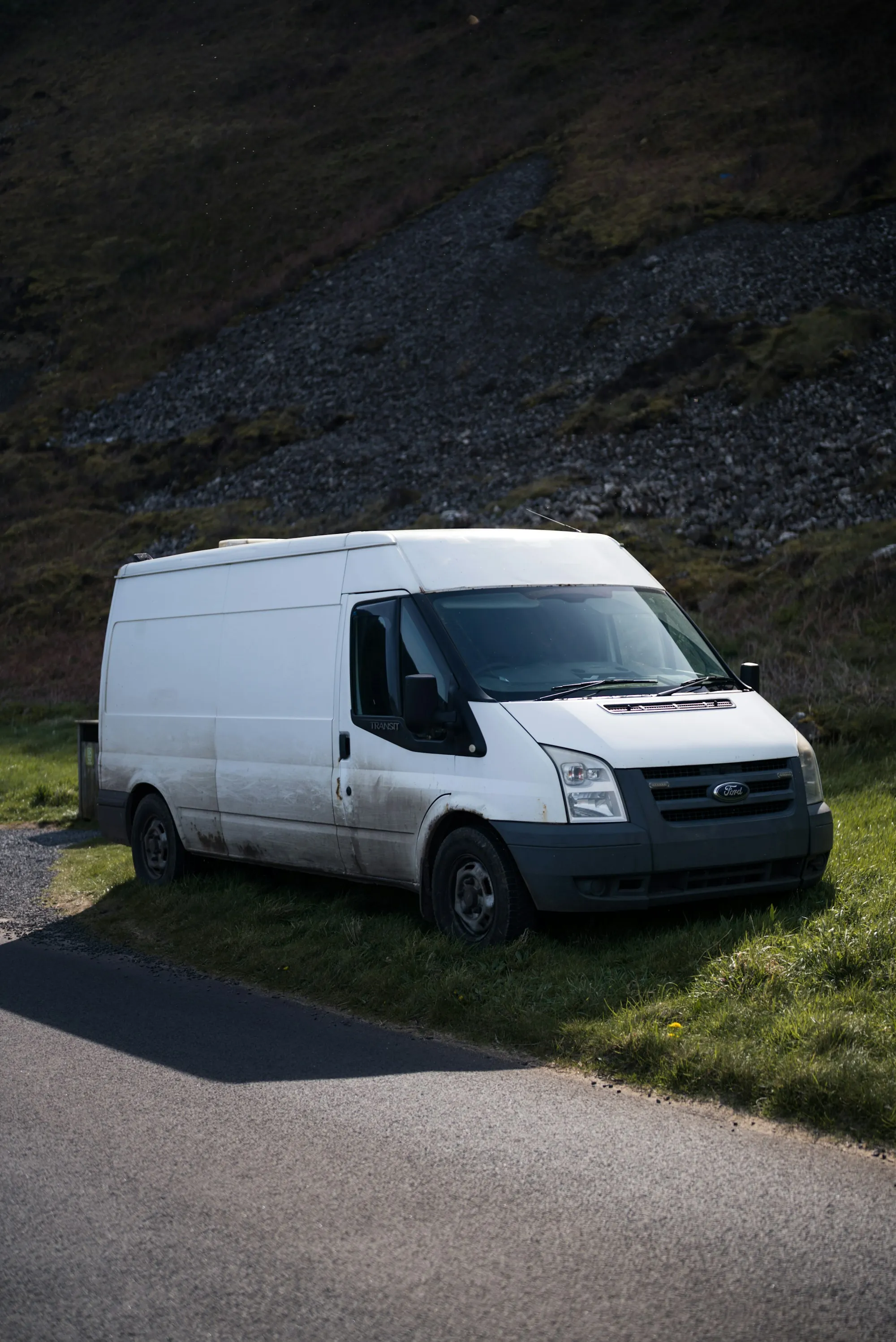
Your Drivers Ride in These Every Day
A work van or service pickup covers more miles in a year than most family cars, and the people driving it are your crew. When one gets hit, it needs to come back as safe as the day it was upfitted, not just repainted and returned. That means checking the structure, the airbags, the seat belt pretensioners and the sensors many newer commercial vehicles carry. It also means respecting the weight of racks, bins and ladders, which changes how a vehicle handles and how it loads in a crash. Plenty of fleets run FM 552, John King Boulevard and SH 66 all day, and downtime costs money. We plan each repair to limit the days a unit is out of service.
Commercial Repair, Item by Item
Every unit gets the same safety-focused repair, with the extra coordination a business needs.
A named contact for each fleet
You deal with the same person every time, someone who knows your units and how you like things handled.
Intake staggered so crews keep rolling
We schedule vehicles so you don't lose several at once, and we order parts before the unit arrives whenever possible.
Restraint systems checked after any hit
Seat belt pretensioners and airbag modules are scanned, and they're replaced when the crash deployed or damaged them.
Sensor calibration on newer units
Many vans and pickups now carry lane cameras and front radar. We calibrate them so your drivers can rely on them.
Upfits removed and reinstalled correctly
Racks, shelving and bins come off and go back on with proper hardware, so nothing shifts or breaks loose in a hard stop.
Fleet colors and lettering matched
Paint is matched to your fleet's color, and graphics are coordinated so the repaired unit fits in with the rest.
Documentation for your safety files
Each repair comes with notes on what was replaced, scanned and calibrated, which helps with your own maintenance records.
Billing that fits how you pay
Repairs can run through insurance or be billed to your company, with itemized paperwork either way.
Running a Fleet Repair Smoothly
- Step 1
Inspect and plan around the schedule
We look at the damaged unit and ask when you can spare it. The estimate covers structure, safety systems and upfits. Parts are ordered early so the vehicle doesn't sit apart. You get a realistic timeline.
- Step 2
Repair to the same standard as any car
Structural work, panels and paint follow the manufacturer's procedures. Restraints and sensors are scanned and calibrated as required. Upfits go back on with the right fasteners. Your contact gets updates along the way.
- Step 3
Test, release and record
The unit is road tested with its normal equipment installed whenever possible. A final scan confirms the safety systems are clear. You get the vehicle and its documentation, ready for your driver.
What Fleet Managers Get From Us
Driver safety stays the priority
We don't skip a calibration or a restraint check to shave a day. Your drivers depend on those systems.
Downtime planned, not guessed
Clear timelines and early parts orders mean you can arrange coverage for the route.
Close to where your crews work
We're convenient for fleets moving between Rockwall, Royse City and Fate, which keeps drop-off and pickup simple.
Unit Off the Road After a Crash?
Tell us what happened and how many vehicles need work. We'll plan the repairs around your schedule.
Line up repairs for your units — (000) 000-0000